BusinessGourab Patra3/17/2026
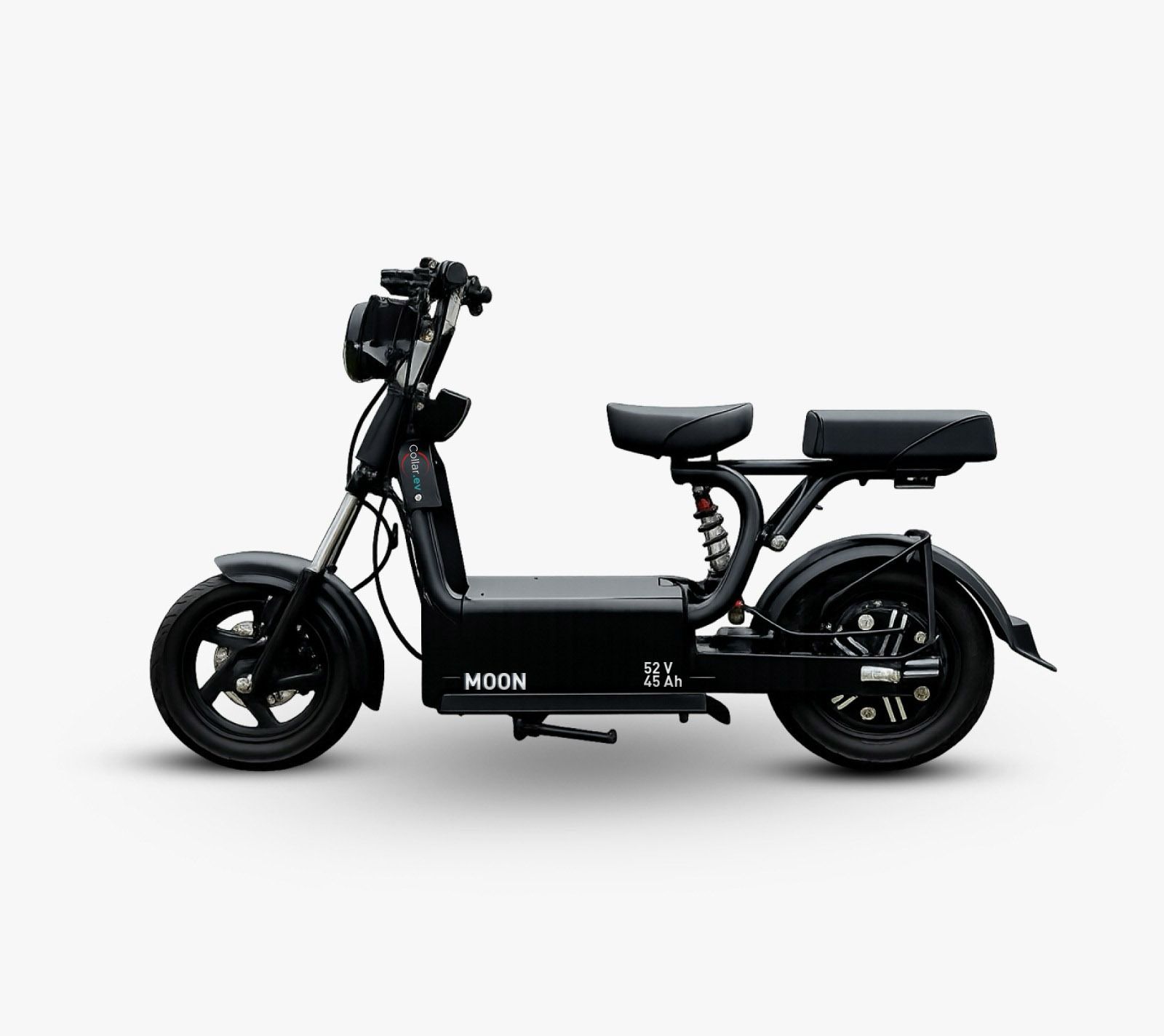
New Delhi, Mar 17: CollarEV, an emerging electric mobility company, has unveiled 'Moon,' a purpose-built electric two-wheeler designed specifically for the B2B delivery and logistics segment. Built with durability, performance, and fleet efficiency in mind, the e-bike aims to address the growing demand for reliable and affordable electric mobility solutions for last-mile delivery and commercial applications across India.
India’s two-wheeler market crossed 20 million units in sales in 2025, while electric two-wheelers accounted for approximately 1.4 million units, highlighting a significant opportunity for EV adoption. While most electric two-wheelers currently cater to the consumer segment, the B2B delivery space remains relatively underserved.
The electric two-wheeler offers a range of approximately 135 km on a single charge and is powered by a 51.2 V, 45 Ah Lithium Iron Phosphate (LFP) battery pack with a capacity of 2.3 kWh. The vehicle supports fast charging, reaching 0-80% in around 2 hours and a full charge in approximately 2.5 hours, making it suitable for high-utilization fleet operations.
Equipped with a BLDC hub motor, it delivers 1500 W rated power and 2200 W peak power, enabling a top speed of 50 km/h. The vehicle generates 95 Nm torque at the wheel, ensuring strong load-carrying capability for commercial usage. Designed for rugged applications, the electric two-wheeler comes with dual disc brakes, 12-inch wheels, and a payload capacity of up to 150 kg.
Speaking on the new EV launch, Tikendra Yadav from CollarEV said,
“Much of the current B2B electric two-wheeler market in India is dominated by low-cost imported vehicles that often face challenges in durability and after-sales reliability. With our new EV for the B2B segment, our goal is to address this gap by developing a purpose-built electric vehicle with a minimalist yet robust structural design that reduces maintenance requirements while ensuring long-term performance. The fully metal chassis and body structure make it particularly suited for demanding commercial and fleet operations. It reflects our commitment to building reliable electric mobility solutions for businesses, and as part of our broader vision, we are also preparing to launch this B2C electric scooter between May and June to serve the growing consumer EV market, which will be first in the segment.”
To support modern fleet management needs, it also includes smart features such as a TFT display with integrated telematics for asset tracking and fleet monitoring, along with keyless start and stop functionality. The platform further supports multiple multi-utility attachment options, allowing businesses to customize the vehicle for different delivery and logistics applications.
The electric two-wheeler is powered by an LFP battery pack designed to deliver more than 1000 charging cycles, ensuring a longer operational lifespan. CollarEV also offers a lifetime battery replacement or upgrade option integrated with IoT-based monitoring systems, enabling real-time battery health and performance tracking. In addition, the company is currently testing supercapacitor-assisted battery technology further to improve charging speed, durability, and lifecycle performance.
The EV is primarily targeted at last-mile delivery companies, logistics and mobility aggregators, fleet operators, and delivery executives. At the same time, the vehicle is also well-suited for practical everyday use cases such as milk distribution, vegetable delivery, small retail logistics, rural transportation, and agricultural supply chain movement for farmers, particularly in Tier-3 and Tier-4 regions.
Initial rollout will focus on Tier-1 and Tier-2 cities as well as rural and semi-urban markets, where demand for cost-effective and durable electric mobility solutions continues to grow.
